
Marine fenders are energy-absorbing devices installed between vessels and berthing structures — or between two vessels — to prevent damage from impact during docking, mooring, and wave-induced motion. The right fender is selected by matching its rated energy absorption capacity to the kinetic energy of the largest vessel expected to berth, factoring in approach velocity, displacement, and berth configuration. Choosing the wrong type or size is the most common cause of premature fender failure and costly hull or structural damage, making correct selection — not just installation — the foundation of effective berth protection.
When a vessel approaches a berth, even at low speed, its mass generates substantial kinetic energy that must be dissipated before contact forces reach the hull or quay structure. A 50,000 DWT vessel berthing at just 0.15 m/s can generate over 200 kJ of kinetic energy — enough to cause serious structural damage without proper fendering. Marine fenders compress or deflect under this load, converting kinetic energy into strain energy within the fender body, and in doing so limit the peak reaction force transmitted to both the vessel hull and the berth structure.
Beyond impact absorption, fenders also serve to maintain a minimum standoff distance between the hull and the quay face, protecting protruding hull fittings, accommodating tidal rise and fall, and distributing point loads over a larger contact area to reduce local hull stress.
Pneumatic fenders consist of an air-filled rubber cylinder reinforced with synthetic tire cord, used widely for ship-to-ship (STS) transfers and floating dock applications. They offer low reaction force relative to high energy absorption — a key advantage when protecting sensitive hull coatings on tankers and bulk carriers. Standard sizes range from 0.5 m to 4.5 m diameter, with the largest models absorbing over 1,000 kJ per unit.
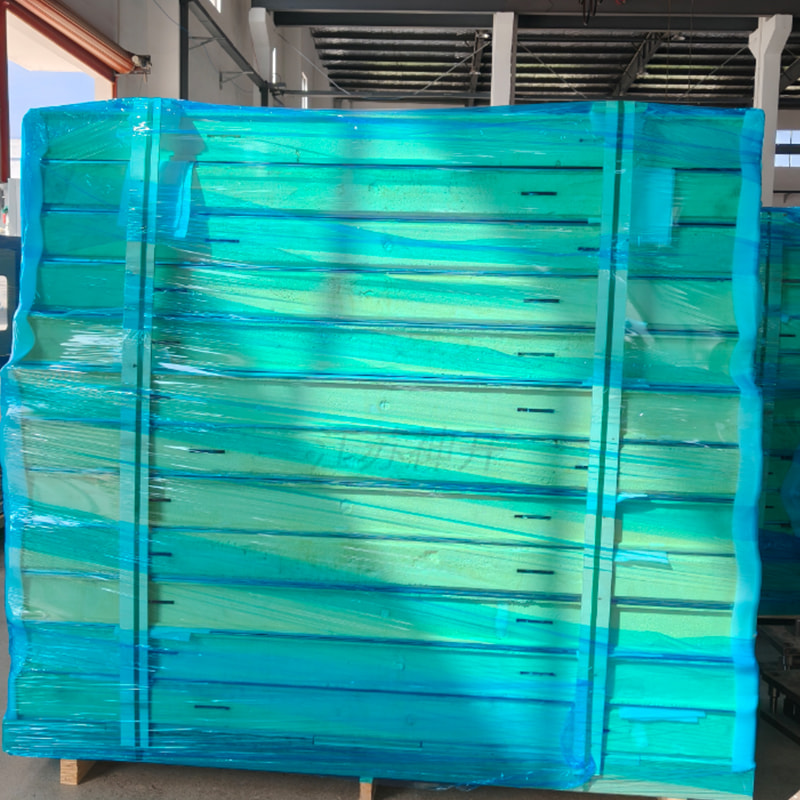
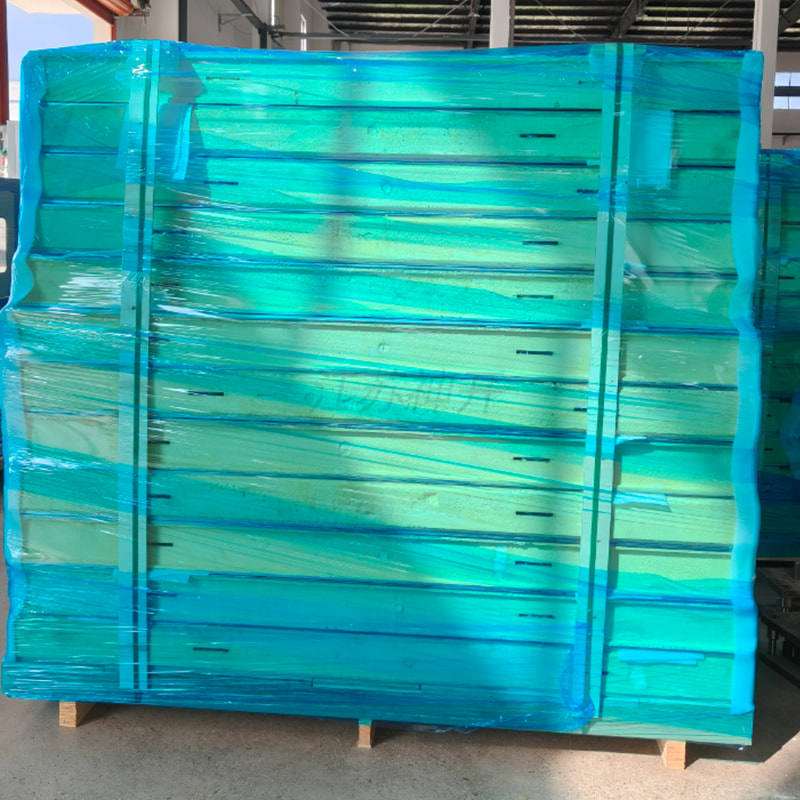
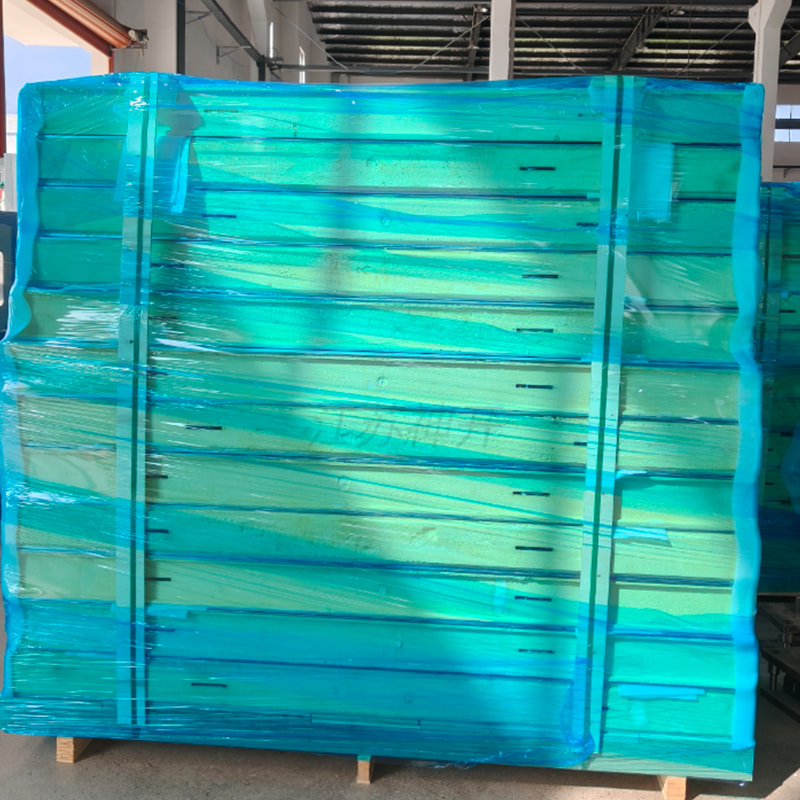
Foam fenders use closed-cell polyethylene foam encased in a polyurethane skin, providing buoyancy that cannot be lost even if the outer skin is punctured — unlike pneumatic types, which deflate and lose function entirely if breached. This makes foam fenders a preferred choice for high-risk ship-to-ship operations and military or coast guard applications where failure is not an option.
Solid rubber fenders are molded from natural or synthetic rubber compounds and mounted permanently to quay walls, dolphins, or piers. Common profiles include cylindrical, cell, cone, and arch types. They are valued for their simplicity, durability, and minimal maintenance — typical service life exceeds 15–20 years with proper material selection and UV-resistant compounding.
Cell fenders are large, hollow cylindrical rubber units bolted to a steel frame on the quay face, commonly used in major container terminals handling vessels above 50,000 DWT. Cone fenders offer a similar hollow design with a tapered profile, providing a more linear reaction force curve that is gentler on hull plating during initial contact.
Wing fenders feature side projections ("wings") that improve performance under angled vessel approaches, common at terminals where berthing angles regularly exceed 5–10 degrees. D-type fenders are a simpler, smaller rubber extrusion typically used on smaller craft, fishing harbors, and pilot boats where loads are modest.
| Fender Type | Typical Application | Energy Absorption Range | Maintenance Level |
|---|---|---|---|
| Pneumatic | Ship-to-ship transfer, floating berths | 15 kJ – 1,000+ kJ | Medium (air pressure checks) |
| Foam | STS transfer, naval, high-risk ops | 10 kJ – 800 kJ | Low |
| Solid rubber (cylindrical/arch) | Piers, small-to-mid berths, fishing ports | 2 kJ – 150 kJ | Very low |
| Cell / Cone | Container terminals, bulk/tanker berths | 50 kJ – 3,000+ kJ | Medium (panel/chain inspection) |
| Wing / D-type | Angled approaches, small craft, marinas | 1 kJ – 100 kJ | Very low |
Fender sizing follows a structured engineering process rather than a simple lookup, since undersizing risks structural damage and oversizing wastes budget and berth space.
The standard formula, drawn from PIANC (World Association for Waterborne Transport Infrastructure) guidelines, is: Energy = 0.5 × Displacement × Velocity² × Coefficients (Eccentricity, Berth Configuration, Softness, Block). For a 30,000 DWT vessel berthing at 0.12 m/s with typical coefficients, design energy commonly falls in the range of 80–150 kJ.
PIANC guidelines recommend selecting a fender whose rated energy absorption is reached at no more than 70–90% of its rated compression, leaving margin for temperature variation, tolerance, and aging effects that can reduce performance by 10% or more over the fender's service life.
The fender's peak reaction force must stay below both the vessel's permissible hull pressure (commonly 200–400 kPa for steel-hulled vessels) and the berth structure's design load capacity. This requires checking the fender's reaction force (R) curve, not just its energy absorption (E) curve.
Fender height or vertical spacing must accommodate the full tidal range plus the vessel's loaded and unloaded freeboard variation, ensuring effective contact at all stages of the tide — a frequent oversight in ports with tidal ranges exceeding 3–4 meters.
Rubber compound quality has a direct effect on fender longevity and performance consistency over time.
Specifying fenders against recognized standards ensures consistent quality and performance verification across manufacturers.
Regular inspection prevents undetected degradation from compromising fender performance precisely when it's needed most.
Ports that follow a documented inspection schedule report significantly fewer unplanned fender replacements and reduce the risk of cascading damage — a single failed fender during a heavy berthing event can result in repair costs 10–50 times higher than the cost of the fender itself.
সামুদ্রিক সর্পিল নালী পরিচিতি সামুদ্রিক শিল্পের চাহিদাপূর্ণ পরিবেশে, নির্ভরযোগ্য বায়ু বিতরণ এবং নিষ্কাশন ব্যবস্থা নিরাপত্তা, স্বাচ্ছন্দ্য এবং অ...
READ MOREসামুদ্রিক দড়ি পরিচিতি সামুদ্রিক দড়ি কি? সামুদ্রিক দড়ি , প্রায়শই নটিক্যাল পরিভাষায় রেখা হিসাবে উল্লেখ করা হয়, যে কোনো নৌকা বা সামু...
READ MOREভূমিকা আজকের গ্লোবালাইজড বিশ্বে, দক্ষ এবং নির্ভরযোগ্য জাহাজ হিমায়নের চাহিদা আগের চেয়ে আরও জটিল হয়ে উঠেছে। যেহেতু আন্তর্জাতিক বাণিজ্য বাড...
READ MORE1. ভূমিকা সামুদ্রিক কোল্ড স্টোরেজ প্যানেল এবং সীফুড সংরক্ষণে তাদের ভূমিকা সামুদ্রিক কোল্ড স্টোরেজ প্যানেলগুলি পরিবহন এ...
READ MORE+86 18036286112
নং 11, জিনলি ইস্ট রোড, হেংজি টাউন, জিয়ানহু কাউন্টি, ইয়ানচেং সিটি, জিয়াংসু প্রদেশ, চীন
কপিরাইট © Jiangsu Shenkai Marine Equipment Co.,Ltd. সর্বস্বত্ব সংরক্ষিত।

কাস্টম সামুদ্রিক সরঞ্জাম প্রস্তুতকারক